top of page
All Posts
Epilogue: The End of Cinema (As We Knew It)
Layla West American Film History Professor Conte October 17, 2026 Epilogue: The End of Cinema (As We Knew It) In hindsight, the most significant thing I take from this course is that American film has always been both art and business, and the tides always ebb and flow. The most extreme example of that change is detailed in Chapter 9 of Jon Lewis’s American Film: A History. By comparison, the monopoly of the early Motion Picture Patents Company trust may seem quaint, because

LAYLA WEST
5 days ago3 min read
A New New Hollywood: The 1980s and 1990sA New New Hollywood: Introduction
A New New Hollywood: Introduction In 1980, Ronald Reagan was elected, and the nation became more conservative and more deregulatory (Lecture). He also opposed the Cold War and labeled the USSR an "evil empire," and the Berlin Wall fell in 1989 (Gaddis, chs.). 6-7). The studios became conglomerates which "controlled the popular media even more completely and complexly than the studio trusts had in the 1930s" (Lewis, qtd. in Lecture). 1. Home-Box-Office Market In 1980, SAG went
LAYLA WEST
5 days ago3 min read
The Hollywood Renaissance, 1970sModule 6 · COMM/THEA 479W: American Film History
A Changing Industry MPAA Rating System On October 7, 1968, MPAA president Jack Valenti issued a press release announcing a voluntary rating system with four initial categories: G (general audiences), M (mature audiences, parental discretion advised), R (restricted; no one under sixteen admitted unless accompanied by a parent or adult guardian), and X (no one under sixteen admitted). G, M, and R films received an MPAA production seal; X films did not. The system replaced more
LAYLA WEST
5 days ago8 min read
Breaking the Code: Censorship Collapses and a New Hollywood EmergesModule 5 · COMM/THEA 479W: American Film History
Alfred Kinsey and a New Frankness In 1948 and 1953, Alfred Kinsey published two reports on American sexual behavior, one about men and one about women. The second report, about women's sexuality, was an unexpected bestseller in its first year (Lewis 240). The popularity would indicate that American attitudes toward sex were getting away from older, more restrictive assumptions. This change was observed in the film industry, and some mature-themed movies were being released wi
LAYLA WEST
5 days ago3 min read
Late-1940s to Mid-1950s: Hollywood in Postwar AmericaModule 4 · COMM/THEA 479W: American Film History
Historical Context Postwar America At the end of World War II, there were dramatic social changes: the era of suburbia, when people began to flock to the suburbs, seeking a cleaner, safer environment; and television, which became a key element in suburban life. The United States came out of the war a prosperous country. People had money and the opportunity to spend it, and the birthrate skyrocketed; this new generation was called the Baby Boom generation. (Lecture) The Cold W
LAYLA WEST
5 days ago6 min read
Hollywood in TransitionModule 3 · COMM/THEA 479W: American Film History
The Industry Under Pressure The Big Eight Studios After World War II, the years look, in retrospect, to be the golden era for Hollywood as well as the beginning of Hollywood's undoing. Production, distribution and exhibition was dominated by the major studios, which were still grouped around the "Big Eight" vertically integrated media companies, but the power of the big boys was beginning to wane. (Lecture) The Paramount Antitrust Case The Supreme Court's decision in the 1948
LAYLA WEST
5 days ago3 min read
Technical Innovations and Industrial Transformation
Technical Innovations and Industrial Transformation Module 2 · COMM/THEA 479W: American Film History Technical Innovations: Sound & Color Vitaphone Vitaphone was Western Electric's sound-on-disc system, which synchronized audio recorded on a separate disc with the picture on screen. Warner Bros. was the studio that took it up first, betting on the untested technology at a moment when the rest of the industry was still committed to silent film. (Lecture) Warner Bros. and the
LAYLA WEST
5 days ago6 min read
Comm 479W :American Film History
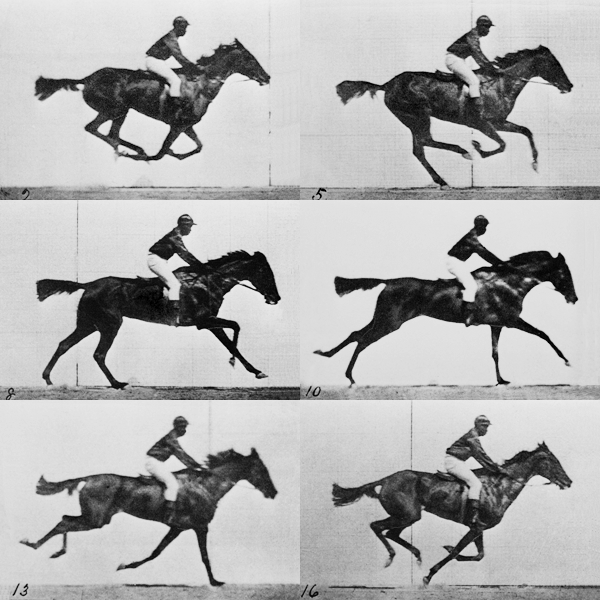
From Still Images to the Silver Screen When we watch movies today, it's so easy to forget how much had to happen before cinema matured into what it is now. Movies don't just become movies overnight from one invention or one person; it takes a community. Photography, experiments with movement, projection, cameras, filmmakers, performers, and audiences all play a huge part.In today's post, we'll talk about how films developed from pre-cinema and early American cinema into the
LAYLA WEST
Sep 17 min read
bottom of page